Renton Real Estate: An Emerging Market for Seattle Professionals
If you've been paying attention to the Seattle real estate market, you've probably noticed something shifting in Renton. It's no longer just the neighborhood people drive through to get to the airport. Over the past couple of years, Renton has transformed into one of the most dynamic markets in the greater Seattle area, attracting a completely different buyer than it did even five years ago.
I'm seeing professionals who work in Seattle but are choosing to live in Renton. I'm working with families who are surprised by what their money can buy here compared to Bellevue or Kirkland. And I'm watching builders and developers invest heavily in new construction and community infrastructure. Renton isn't competing with Seattle anymore. It's becoming its own compelling choice.
Here's what's actually happening in Renton right now, and why it matters if you're thinking about buying, selling, or comparing neighborhoods.Renton Stopped Being About the Airport
For decades, Renton's identity was tied to its proximity to Seattle-Tacoma International Airport. That airport location mattered, sure. But it also gave Renton a reputation as a pass-through neighborhood, not a destination.
That's changing. The city has been intentional about diversifying its economic base and improving quality of life. New light rail connections are on the horizon, bringing better transit access without the airplane noise being the primary story. Parks, trails, and public spaces have gotten serious investment. Neighborhoods that were historically more industrial or car-dependent are being reimagined with walkability in mind.
Developers see it too. What was once affordable land in an overlooked area is now seen as an opportunity to build something meaningful. New construction projects are bringing updated homes and townhomes to neighborhoods that haven't seen new development in decades. This isn't gentrification for gentrification's sake. It's genuine community investment.
The New Buyer Profile
The buyers I'm working with in Renton today look different from historical Renton buyers. Yes, I'm still working with families who've lived in South King County for years and are ready to own their first home or upgrade to something bigger. But increasingly, I'm seeing:
Seattle professionals who have calculated the cost difference between a $900,000 condo in downtown Seattle and a $750,000 updated single-family home in Renton with a yard. They're choosing Renton.
Move-up buyers who spent five years in a starter home in Federal Way or Kent and are ready for something with better bones and location. Renton offers that without the Eastside price tag.
Relocating families from California or out of state who are shocked at what's available in Renton compared to what they left behind. For people priced out of the Bay Area, Renton still feels affordable, even if the market here is rising.
Young couples with one or both partners working in tech or professional services who want walkability, restaurants, and community but aren't willing to pay Seattle or Bellevue prices for it.
This shift in buyer profile is real, and it's driving the market in ways that traditional metrics don't always capture.
The Market Numbers: What You Need to Know
Let's look at where Renton actually sits in the market right now, as of mid-2026.
Home Prices: Median home prices in Renton have been hovering around $650,000 to $715,000, depending on the neighborhood and property type. Single-family homes average around $755,000, while condos run closer to $270,000. For context, you're looking at roughly $100,000 to $200,000 less than comparable homes in Bellevue or Kirkland, even accounting for location and condition.
Price Movement: Over the three-month period ending in May 2026, home prices were down 1.8% compared to the same period the year before. This isn't a crash. It's a market recalibrating after the faster appreciation we saw in 2024 and early 2025. For sellers, it means pricing strategically. For buyers, it means less pressure to make emotional offers.
Inventory: Renton has about 3.5 months of inventory on the market, which is still tight. Homes are selling in roughly 30 days. This is a seller's market by most measures, but it's not the aggressive seller's market we saw two years ago. Homes are selling for about 98% of asking price, and it's not uncommon to see price reductions, especially on overpriced properties. Around 28% of homes had price reductions in early 2026, which tells you that thoughtful pricing and preparation matter more than ever.
Rent Trends: For those considering renting before buying or looking at investment potential, the average rent in Renton is between $1,500 and $2,270 per month, with rents increasing at 3.2% annually. That's the highest rent increase among major Washington markets, which reflects strong demand.
(Source: Zillow, Redfin, Houzeo housing market data for Renton, WA, 2026)
New Construction Is Changing the Landscape
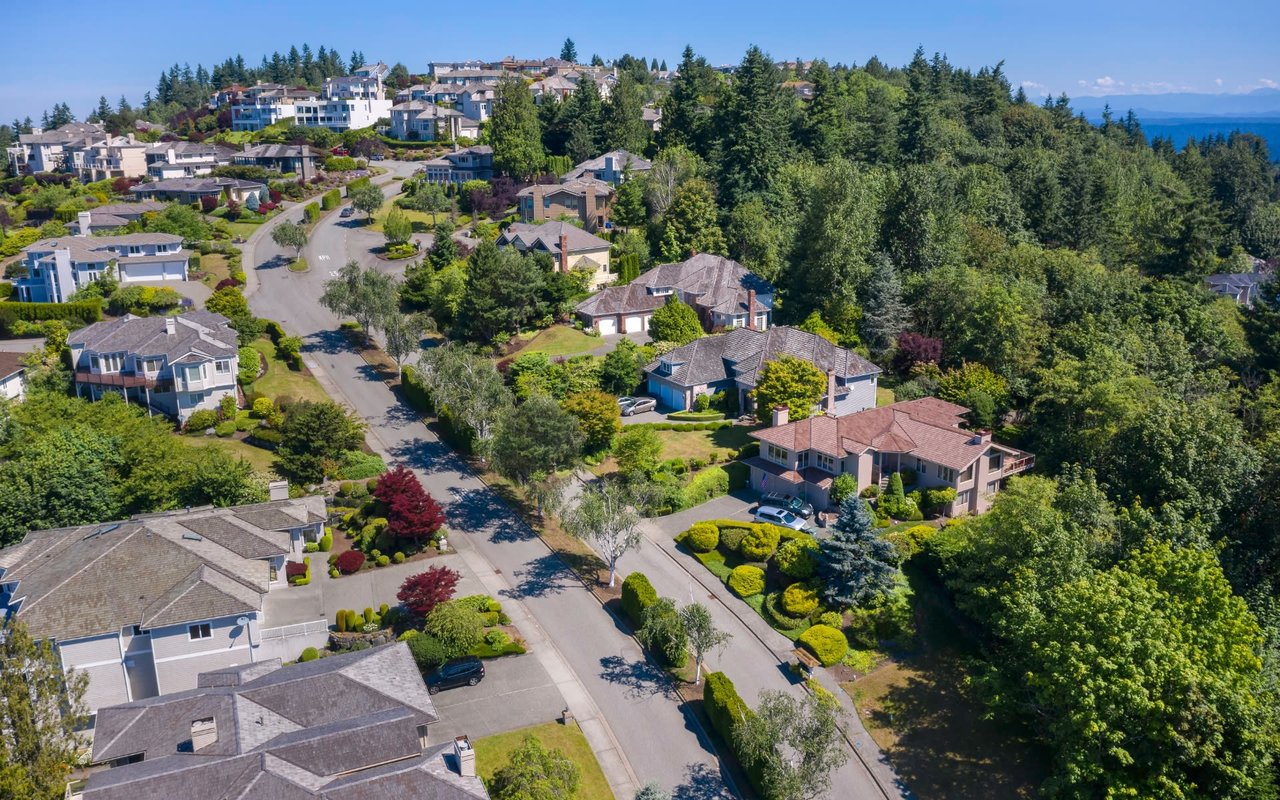
One of the biggest shifts in Renton is the amount of new construction activity. Where there used to be older suburban homes on larger lots, you're now seeing newer townhomes, duplexes, and updated single-family homes built to current standards.
This is good for buyers looking for move-in-ready homes with energy-efficient systems, updated kitchens and bathrooms, and modern floor plans. It's also bringing younger families to neighborhoods that were aging out. New construction often means new schools being closer by, new parks being developed, and retail following the residential growth.
But this is also where Renton's growing pains come in. The city has been navigating zoning questions around middle housing density and development. There have been tensions between residents wanting to preserve the character of single-family neighborhoods and the city's push to allow more diverse housing types (townhomes, duplexes, accessory dwelling units) to meet housing demand. Some planned areas have been scaled back after community pushback, while other neighborhoods are moving forward with thoughtful development.
For buyers, this means the neighborhoods worth looking at now might be very different in three to five years. That's part of what makes Renton interesting, but it's also something to understand if you're concerned about long-term neighborhood stability.
Walkability and Lifestyle: Renton Is Investing Here
One of the biggest critiques of suburban South King County has always been car dependency. That's shifting in Renton, at least in certain neighborhoods.
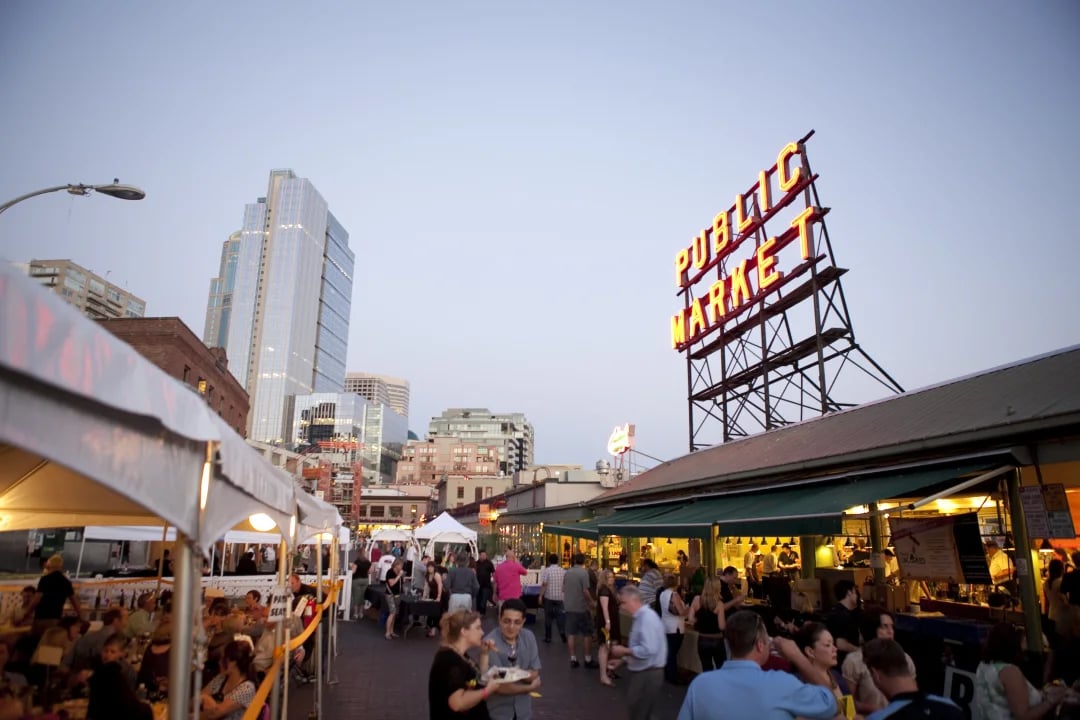
The city has been upgrading parks, adding trail systems, and improving pedestrian infrastructure. Downtown Renton, in particular, has gotten real investment in public spaces and mixed-use development. New restaurants, local retailers, and gathering spaces have opened. It doesn't feel like downtown Seattle or Bellevue, but it also doesn't feel like a typical suburban strip mall neighborhood anymore.
If you're someone who values being able to walk to coffee, restaurants, or parks without driving fifteen minutes, certain Renton neighborhoods are starting to deliver that. It's not everywhere in Renton yet, but it's happening, and it's worth noting if lifestyle is part of your decision.
The Affordability Question and Community Growing Pains
I'd be remiss if I didn't acknowledge the more complicated side of Renton's growth: affordability challenges and displacement risk.
About 40% of Renton households are cost-burdened, meaning they spend more than 30% of their income on housing. As prices rise and new construction brings in higher-priced homes, existing residents who've been in Renton for years are facing rising property taxes, property values, and rental costs. There's genuine tension between welcoming growth and economic investment on one hand, and protecting people who have deep roots in the community on the other.
Renton has been flagged as high-risk for displacement in King County, and it experienced significant eviction filings during the pandemic. The city is aware of these dynamics and has been working on affordable housing initiatives and renter protections, but this is an ongoing challenge.
If you're buying in Renton, it's worth understanding that the neighborhood is in transition. That can mean opportunity if you're buying in an emerging area. But it also means the community you move into today may feel quite different in five or ten years.
Who Should Consider Renton Right Now?
Buyers:
If you work in Seattle or the Eastside and are looking for genuine value without sacrificing quality or lifestyle, Renton deserves a serious look. You get square footage, land, and newer homes for less money than you'd spend elsewhere. New construction options give you the efficiency and feel of a modern home. And the community is actively improving.
Relocating families from higher-cost markets often find Renton a sweet spot: it's not a small town, but it's more affordable than the major Eastside communities. Direct airport access is actually useful if you travel for work.
Move-up buyers in particular tend to find good opportunities in Renton because you can get into a single-family home with a yard and updated systems without the $900,000+ price point of Seattle proper.
Sellers:
If you're a Renton homeowner who bought years ago, the market is still in your favor, though it's more balanced than it was in 2024 and 2025. The shift from seller's market to more normalized market means you need to be strategic about pricing and presentation. Homes that are updated, competitively priced, and marketed thoughtfully sell well. Homes that are overpriced or deferred-maintenance heavy sit longer and often end up with price reductions.
New construction competition is real, so if you're selling an older home, helping buyers understand what you offer (established neighborhood, larger lot, character) versus what new construction offers (no surprises, no repairs) is part of the conversation.
What I'm Watching in Renton
Light rail expansion will be a game-changer once it's built. Right now, that's still a few years out, but the neighborhoods closest to future light rail stations are already being recognized by investors and developers. If you're thinking long-term, proximity to future transit is worth considering.
Inventory will likely remain tight. Renton doesn't have unlimited land, and what's available is being developed quickly. If you're thinking about Renton, waiting probably isn't in your favor. Buyer's advantages tend to come from smart offers and realistic expectations, not from waiting for more inventory.
The city's zoning and development conversation will keep evolving. This affects neighborhood character, housing supply, and long-term community feeling. If you're someone who cares deeply about neighborhood stability and character preservation, Renton's growth is worth paying attention to.
Real Talk About Buying or Selling in Renton
Renton isn't a secret anymore. The market here is savvy, it moves thoughtfully, and it rewards clarity and preparation. Whether you're buying or selling, you need to understand what's actually shifting in the market, not just what headlines say.
If you're a buyer, work with someone who understands which neighborhoods are actually improving, which new construction projects are worth the price premium, and how to make offers that win without overpaying. Renton is competitive enough that you need strategy.
If you're a seller, know your home's actual value and condition. Overpriced homes sit. Updated homes sell. The market will tell you which one yours is.
Either way, Renton is worth a serious conversation if you're thinking about Seattle or Eastside real estate. It's not what it was, and that's actually good news.
Let's Discuss Your Renton Real Estate Goals
Whether you're curious about buying in Renton, considering selling your home, or just trying to understand how Renton fits into your bigger Seattle and Eastside options, I'm here to help. I work with buyers, sellers, and families thinking about relocating, and I'd be happy to talk through what makes sense for your situation.
Reach out if you'd like to discuss neighborhoods, market conditions, or what your home is worth.
No sales pitch, just real conversation about real estate in a real market.
Sources:
- Renton WA Real Estate Market Trends: A Detailed 2026 Market Analysis
- Renton, WA Housing Market in 2026: Home Prices & Trends | Houzeo
- Renton Housing Market: House Prices & Trends | Redfin
- Renton, WA Home Values | Zillow
- Mayor's Memo: Middle housing and what it means for Renton | Renton Reporter
- Growth is inevitable, but where is it going? | Renton Reporter
- This King County initiative wants to prevent further gentrification | Cascade PBS